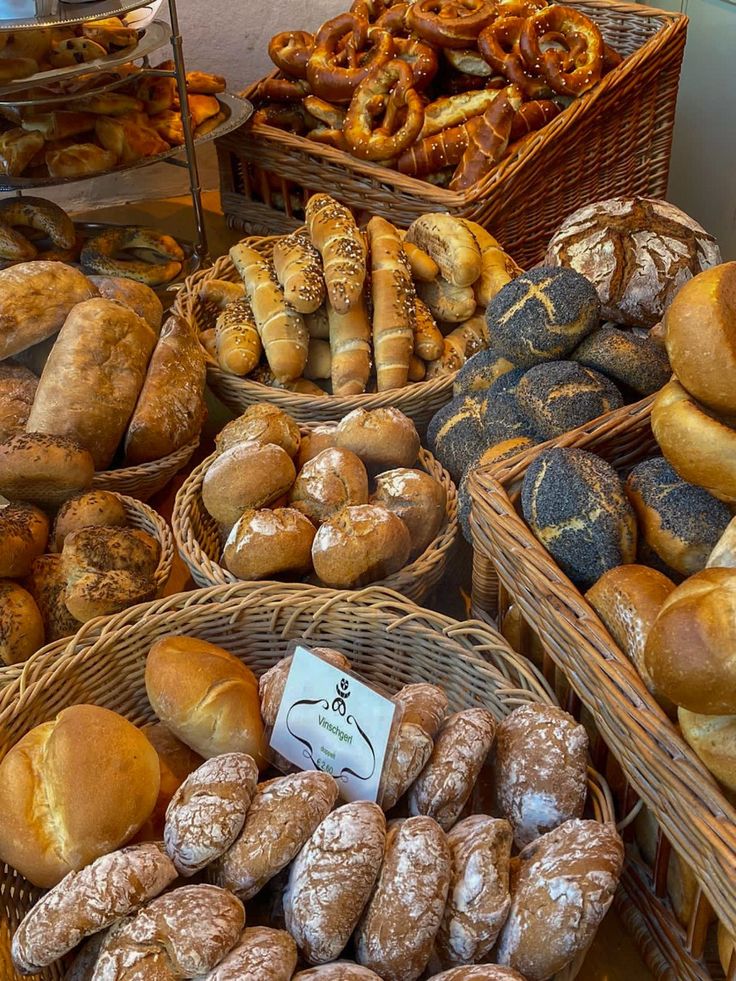
The Chemistry of Baking: How Ingredients Interact
Behind every perfect croissant or fluffy birthday cake lies a precise chemical dance. Flour provides structure through gluten proteins that strengthen when mixed with water. Yeast ferments sugars, releasing carbon dioxide gas that makes dough rise, while baking soda and powder act as chemical leaveners for quick breads. Fats like butter or oil shorten gluten strands, creating tenderness, and eggs add richness, color, and emulsification. Sugars not only sweeten but also caramelize and help with browning through the Maillard reaction. Salt controls yeast activity and strengthens gluten. Understanding these interactions allows bakers to troubleshoot www.krishna-bakery.com problems: a tough cake may mean overmixing (too much gluten), while a flat loaf could signal dead yeast or insufficient kneading. Every recipe is a science experiment where proportions and order matter as much as the baker’s skill.
The Physics of Oven Heat and Texture Creation
The oven is where science becomes visible. When dough enters heat, trapped gases expand rapidly (oven spring), and water turns to steam, lifting layers in laminated pastries like puff pastry or croissants. Starches gelatinize, setting the crumb structure, while proteins coagulate to firm the overall shape. Surface heat triggers browning reactions that produce hundreds of flavor compounds. Different oven types—convection, deck, or steam-injected—affect outcomes dramatically. Steam delays crust formation, allowing more expansion for breads like baguettes. Convection fans circulate heat for even browning of cookies. Understanding heat transfer helps bakers avoid burned bottoms or undercooked centers. Even cooling is physical science: moving baked goods to racks prevents condensation that would make crusts soggy. Mastering oven physics separates amateur bakers from professionals who consistently achieve golden, evenly baked creations.
The Art of Flavor Balancing and Pairing
While science provides the rules, art guides the soul of baking. A skilled baker knows that vanilla extract alone cannot carry a cake; it needs salt to brighten sweetness, acid like buttermilk or lemon to cut richness, and fat to carry flavors to the palate. Layering extracts, zests, spices, or nut pastes creates depth that lingers after each bite. Bakers also consider texture contrast—a crisp crust against a soft crumb, creamy filling inside a flaky shell, crunchy sprinkles over smooth buttercream. Visual artistry matters too: how chocolate drizzle falls, how powdered sugar dusts a dark surface, how fruit glistens under a mirror glaze. These choices require intuition, experience, and a willingness to experiment. The best bakery creations taste memorable because the maker treated flavor and texture as a canvas for creative expression, not just a formula to follow.
Precision and Timing: The Overlooked Skills
No amount of creativity saves a creation ruined by poor timing or inaccurate measurements. Professional bakers weigh ingredients (never cups) because flour compresses, leading to inconsistency. They monitor dough temperature, humidity, and water quality—all factors that affect fermentation. Timers mark every stage: autolyse rest, bulk fermentation, proofing, baking, and cooling. Over-proofed bread collapses; under-proofed bread tastes dense. A minute too long in the oven dries out a cake; a minute too short leaves a gooey center. Bakers also learn to read visual and tactile cues: the wobble of a cheesecake, the spring of a brioche when poked, the color of a pretzel’s lye bath. This blend of precision tools and human judgment turns raw ingredients into consistent, reliable bakery masterpieces that customers trust day after day.
From Formula to Final Creation: The Baker’s Craft
Every bakery item begins as a formula—a ratio of flour to water to fat to sugar—but becomes a creation through craft. The baker decides how many folds to give laminated dough, how long to rest the batter, whether to brush with egg wash or milk. They choose shaping techniques: twisted, scored, rolled, or braided. They decide the finishing touches—glazes, dustings, drizzles, or frosting swirls. Even the same formula yields different results based on ambient kitchen temperature, ingredient brands, or baker’s hands. This is why two bakeries can use the same recipe but produce wildly different products. The science provides reliability; the art provides identity. Customers return not just for muffins or baguettes but for that bakery’s unique signature—a particular chewiness, a special spice blend, a memorable glossy sheen. Understanding both the science and the art behind every bakery creation made explains why the craft endures as both a profession and a passion.